
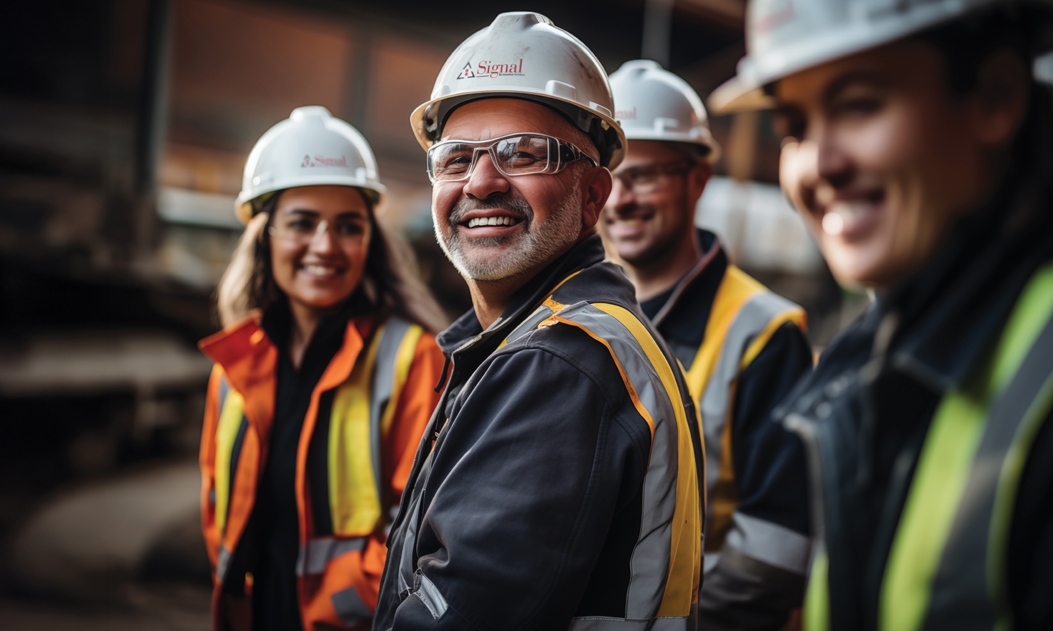
Working with the right restoration partners can make all the difference in a successful restoration project—not just for a completed job, but for ensuring the health and safety of everyone involved. Environmental, Health, and Safety (EHS) is invaluable for successful outcomes. It drives exceptional efforts, protects lives, and builds trust. Here’s how to ensure your partnerships prioritize EHS excellence.
CLIENT BENEFITS FROM HEALTH AND SAFETY PROTOCOLS
Prioritizing health and safety protocols is critical for restoration companies and their clients. It restores confidence and creates a safe environment for everyone involved—clients, workers, and the community.
Protecting employees and building occupants
Corporate Safety Programs: Behind every efficient restoration project is a team trained to handle situations safely. Comprehensive training and certification programs are essential for safeguarding workers and ensuring compliance with safety regulations. These programs include education on hazard identification, proper equipment usage, and emergency response protocols. Certification through organizations like OSHA underscores a company’s commitment to worker safety and preventing accidents before they happen.
Job-Specific Hazard Assessment: Tailoring safety training to each project ensures that a restoration company’s collective knowledge and experience are applied effectively. This customized approach provides a significant advantage in accident prevention—for both the restoration team and the client.
Subcontractor Safety and Controls: Even small or specialized subcontractors involved in your project must adhere to strict safety protocols. When everyone on-site is committed to the same standards, operations run more smoothly, risk are minimized, and the entire job process remains fully compliant.
Accident and incident impact
Accidents on a jobsite create a chain reaction of setbacks that can be costly, damaging, and difficult to recover from. Beyond the financial hit, the effects can ripple through your project timeline, workforce morale, and even your company’s public image. Partnering with an EHS-focused contractor helps mitigate these risks, ensuring smoother operations and greater peace of mind. Here’s how accidents can impact your business:
- Schedule Impacts: Every delay affects your timeline. Accidents bring projects to a halt, meaning more downtime for your property and increased costs. A proactive approach to safety helps prevent disruptions and keeps projects on track.
- Impacts to Employees: Unsafe operations can not only injure workers, but also injure client employees or building occupants. These incidents often take the form of trips and falls, excessive noise from tools and equipment, or hazardous indoor air quality. A safety conscious restorer protects both workers and personnel working in the building.
- Impacts to Buildings or Equipment: Any contractor working in or around a client’s building has the potential to unintentionally damage the structure, or associated equipment and systems. Adhering to safety protocols, such as ensuring equipment operators are trained/certified, helps prevent additional damage.
- Visits from Regulators: Accidents often trigger regulatory investigations from agencies like OSHA, which can lead to delays and added scrutiny. Staying compliant with safety standards reduces the likelihood of these visits and keeps your project moving forward.
- Public Visibility: Jobsite incidents can attract unwanted media attention, potentially damaging a client’s reputation. Adhering to strict health and safety protocols helps businesses protect their brand and maintain public trust.
Choosing Trustworthy Restoration Partners
When selecting a restoration contractor, it’s essential to evaluate their commitment to safety and compliance. They shouldn’t just “talk the talk”—they need to “walk the walk” when it comes to prioritizing health, safety, and environmental responsibility. Here are a few ways to assess whether a restorer is truly trustworthy:
- Safety Record: A proven track record of safety speaks volumes. Ask to review their history of workplace injuries, OSHA violations, or accidents. Verify industry-standard certifications like OSHA 30 or other relevant EHS training to ensure they’re equipped to meet the highest safety standards. OSHA’s database of contractor safety violations is publicly available—take the time to do your due diligence.
- Safety/Restoration Certifications: Contractors who genuinely prioritize safe and compliant operations will invest in training their employees on both safety and restoration best practices. Ask for a list of certifications and compare them to those held by other contractors you’ve worked with. You can also consult an industry expert for an objective evaluation.
- EHS Programs: A contractor with a well-structured Environmental, Health, and Safety (EHS) program demonstrates a proactive commitment to risk management. Take time to request and review their EHS protocols. Ask questions like:
-
Do they have documented safety procedures?
-
Do they comply with local and federal regulations?
-
Is there a written EHS policy, signed by leadership, that outlines their commitment to safety and compliance?
-
- EHS as a Value-Added Partnership: Beyond meeting requirements, restoration contractors with strong EHS programs bring additional value to their client relationships. Do they show a willingness to collaborate with your organization for a safer project? Have they asked about your internal safety protocols, emergency evacuation plans, or how to minimize disruption to your operations? This kind of foresight and communication speaks volumes about their approach to safety.
Get the top tips for choosing the right hurricane restoration contractor.
Value-Added Client EHS Education and Awareness
Top-tier EHS-focused contractors go beyond the job site—they empower their clients with knowledge and tools to foster a lasting culture of safety and awareness. These leading organizations often offer educational initiatives such as:
- Social Media Outreach: Platforms like LinkedIn and YouTube serve as valuable channels for sharing educational content, showcasing EHS best practices, and highlighting innovative safety solutions.
- Interactive Learning Opportunities: From lunch-and-learns to live webinars, these interactive sessions help clients better understand safety protocols and their impact on project outcomes. The result? A more informed, safety-conscious client base.
PARTNER WITH AN EHS-FOCUSED LEADER
Disaster restoration is a challenging, high-stakes industry where safety, compliance, and environmental stewardship must take center stage. EHS practices are critical to protecting lives, preserving property, and ensuring efficient project execution.
By embedding EHS principles into every aspect of restoration services, contractors can:
- Minimize risks for workers and building occupants.
- Meet or exceed environmental and safety compliance standards.
- Build trust and credibility with clients through transparent, proactive communication.
Prioritizing safety is a clear advantage. Clients gain peace of mind knowing their restoration partner values EHS as a core business tenet— leading to superior outcomes and long-lasting relationships. Companies like Signal Restoration Services exemplify this commitment by achieving unparalleled safety records and setting industry benchmarks for excellence.
Contact Signal’s EHS Director, Barry Rice, to learn more about our safety track record and commitment to EHS standards that ensure your restoration work is both safe and compliant.